This is a video ad that MAGIC 5 students created. It's about a MAGIC Black Bull drink that gives power to whoever drinks it! And as the ad prompts: "Drink and everything else becomes slower"...
Showing posts with label advertising. Show all posts
Showing posts with label advertising. Show all posts
Tuesday, March 18, 2014
Magic Comenius 2013-2015 Advertisment: Black Bull
This is a video ad that MAGIC 5 students created. It's about a MAGIC Black Bull drink that gives power to whoever drinks it! And as the ad prompts: "Drink and everything else becomes slower"...

A song and a dance for their classmates
The visit to Koper, Slovenia is approaching so students were asked to present something from their country. They decided to dance two Greek dances and soon started to try them out!

They also suggested they sing a song while Marios will perform with his guitar. So they gathered around him to listen to and encourage him!

The team also discussed about the forthcoming visit to Slovenia and video recorded some parts of the students advertisements.
Tuesday, February 18, 2014
Brochures, comics and online ads!
Another meeting of our MAGIC Comenius team was held on Tuesday, 18 February 2014. As we finished up our fifth week about persuasive techniques, our discussions continued to be very interesting and informative about advertising.

We loved the ideas on the advertising topic. Our students used tools such as Lucidpress, Get Smart PBS Kids online ad creation tool, pixton.com and ReadWriteThink.org interactive comics to create their own digital ads.
You may access students blogs to view a brochure about cars, a brochure about chocolate, a comic advertisement about cars, one about a telecommunication company and another one about a dancer!
Thank you for sharing your ideas as well as your questions and concerns about ads. We’ll see you in Week 6.
We loved the ideas on the advertising topic. Our students used tools such as Lucidpress, Get Smart PBS Kids online ad creation tool, pixton.com and ReadWriteThink.org interactive comics to create their own digital ads.
You may access students blogs to view a brochure about cars, a brochure about chocolate, a comic advertisement about cars, one about a telecommunication company and another one about a dancer!
Thank you for sharing your ideas as well as your questions and concerns about ads. We’ll see you in Week 6.
Monday, February 17, 2014
Persuasive techniques in ads
Last week we looked at how ads may generalize, scare and/or exaggerate
to persuade their audience. This week, we will look at persuasive
techniques in ads by planning and putting in action those techniques. We
will work in teams the following topics: brochure creation, comics
creation and video ads. In any case and team you work with, just
remember there are 3 ways to create an advertisement: write, design and test the advertisement.
Topic 1: Brochure creation

In this team you will first look at some brochures and then use the investigation sheet and draw conclusions about the characteristics of brochures and how those characteristics are responses to the intended audiences and purposes. Then you will work with these inquiry sheet and assignment to be able to interactively create newspapers, brochures, and flyers.
Then you may try Lucidpress a free online tool to create your own brochures!
Topic 2: Comics creation
Can comics be used in advertising? Check out these comic book ads!

You will have the chance to work with the Comic Creator that invites you to compose your own comic strips. You can use the Comic Strip Planning Sheet, a printable PDF that you can use to draft and revise your work before creating and printing your final comics. After completing your comic, you have the ability to print out and illustrate your final versions for feedback and assessment.Those of you working with Pixton.com may use this Comic Strip Planning Sheet to set up your work as well.
Topic 3: Get creative online by creating your own ad.
Topic 1: Brochure creation

In this team you will first look at some brochures and then use the investigation sheet and draw conclusions about the characteristics of brochures and how those characteristics are responses to the intended audiences and purposes. Then you will work with these inquiry sheet and assignment to be able to interactively create newspapers, brochures, and flyers.
Then you may try Lucidpress a free online tool to create your own brochures!
Topic 2: Comics creation
Can comics be used in advertising? Check out these comic book ads!

 |
| By Bianka P., MAGIC Comenius student using pixton.com |
You will have the chance to work with the Comic Creator that invites you to compose your own comic strips. You can use the Comic Strip Planning Sheet, a printable PDF that you can use to draft and revise your work before creating and printing your final comics. After completing your comic, you have the ability to print out and illustrate your final versions for feedback and assessment.Those of you working with Pixton.com may use this Comic Strip Planning Sheet to set up your work as well.
Topic 3: Get creative online by creating your own ad.
Acknowledgement: See the ‘Brochures: Writing for Audience and Purpose' lesson by Deborah Dean provided by ReadWriteThink.org, a website developed by the International Reading Association, the National Council of Teachers of English, with support from the Verizon Foundation.
Tuesday, February 11, 2014
Truth in Advertising
This week our MAGIC Comenius team continued working on the second project theme which is advertising.
So today, among preparing our online comic book and getting ready to promote our project, we looked at how we read and identify various types of advertisements, how we analyze them for examples of persuasive writing such as generalizing, exaggeration, and scare tactics and write responses to ads that we’ve analyzed. In other words, we looked at truth in advertising.
We all know that ads are everywhere and that they’re trying to sell us something - a person, a thing or even an idea. So we tried to read ads carefully to find out how they are trying to shape our thinking.
We used the www.tv411.org activities to help us understand the topic. Two interesting posters from this website we commented are shown below:


So today, among preparing our online comic book and getting ready to promote our project, we looked at how we read and identify various types of advertisements, how we analyze them for examples of persuasive writing such as generalizing, exaggeration, and scare tactics and write responses to ads that we’ve analyzed. In other words, we looked at truth in advertising.
We all know that ads are everywhere and that they’re trying to sell us something - a person, a thing or even an idea. So we tried to read ads carefully to find out how they are trying to shape our thinking.
We used the www.tv411.org activities to help us understand the topic. Two interesting posters from this website we commented are shown below:
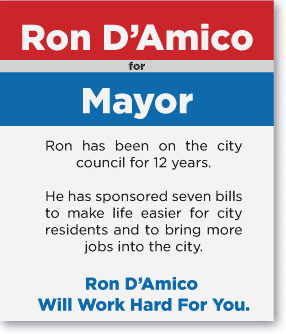

As we know ads use certain kinds of persuasive writing tactics, or techniques, to convince us to do something or take an action. So some of them will try to generalize, scare and/or exaggerate.
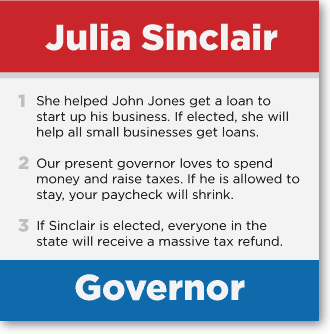
We also watched a video about hidden costs. Students published on their blogs TV ads we all commented. Students uploaded on the MAGIC 2 blog some interesting ads to discuss. Based on the activities and the following discussion we started working in groups on how to develop our own ads, either on print or in video format.
We would like to thank all of our MAGIC Comenius students for their enthusiasm and collaboration and we are looking forward to our next meeting next week.
Cheers,
Theo Goutas
Sunday, February 2, 2014
Truth in ads - Understanding the media
In this topic we will explore the truth in ads and try to understand parts of the way media work.
So let's get started by accessing the "Truth in Advertising" online lesson so that you will be able to:
Then you may watch the following videos:
Finally there is a related print download about how you read the news.
So let's get started by accessing the "Truth in Advertising" online lesson so that you will be able to:
- Read and identify various types of advertisements
- Analyze advertisements for examples of persuasive writing, generalizing, exaggeration, and scare tactics
- Write responses to ads that you’ve analyzed.
Then you may watch the following videos:
- a voter explains how to read a campaign poster with a critcal eye
- a parody of a television commercial demonstrating the costs hidden in the fine print
Finally there is a related print download about how you read the news.
Tuesday, January 28, 2014
Our findings about facts vs. opinions
This week our Comenius team worked on the facts vs. opinions unity. Students worked in pairs, filled the online form and then we discussed our findings.
Then we all watched some online and TV ads and discussed about what is true and what is not true in them.
Here is the first ad we watched:
which is a misleading ad that was aired in the Greek TV.
Another example of a disputable or rather misleading ad is the following:
Students were also presented of some additional TV ads of products and then we compared them with some ads from NGOs.
Then we all watched some online and TV ads and discussed about what is true and what is not true in them.
Here is the first ad we watched:
which is a misleading ad that was aired in the Greek TV.
Another example of a disputable or rather misleading ad is the following:
Students were also presented of some additional TV ads of products and then we compared them with some ads from NGOs.
Monday, January 27, 2014
A facts vs. opinions form
While a fact is a statement that can be proven true, an opinion expresses someone's belief, feeling, view, idea, or judgement about something or someone. In this exercise you will determine whether a statement is an opinion or a fact. Hint: try noticing "signal" words which indicate opinion or fact statements.
Then you may play the fact or opinion games:
Then we can all discuss why it is important to be able to distinguish between fact and opinion in advertisements.
Then you may play the fact or opinion games:
Then we can all discuss why it is important to be able to distinguish between fact and opinion in advertisements.
Monday, January 20, 2014
Facts vs. opinions in ads
This is our second week working on theme two which is about advertising and we will be exploring facts vs. opinions in advertisements.
So this week we hope you will develop criteria for determining statements of opinion and practice discerning statements of opinion in advertisements.

You must have realized by now that smart consumers need to be able to distinguish between fact and opinion in advertisements. To do so you should be able to demonstrate literal, inferential, and evaluative comprehension skills by distinguishing between fact and opinion.
As teachers of the MAGIC Comenius project we will use the facts vs. opinions in ads guide document* to achieve the above and we hope we all enjoy it!
* Source: http://www.educationoasis.com
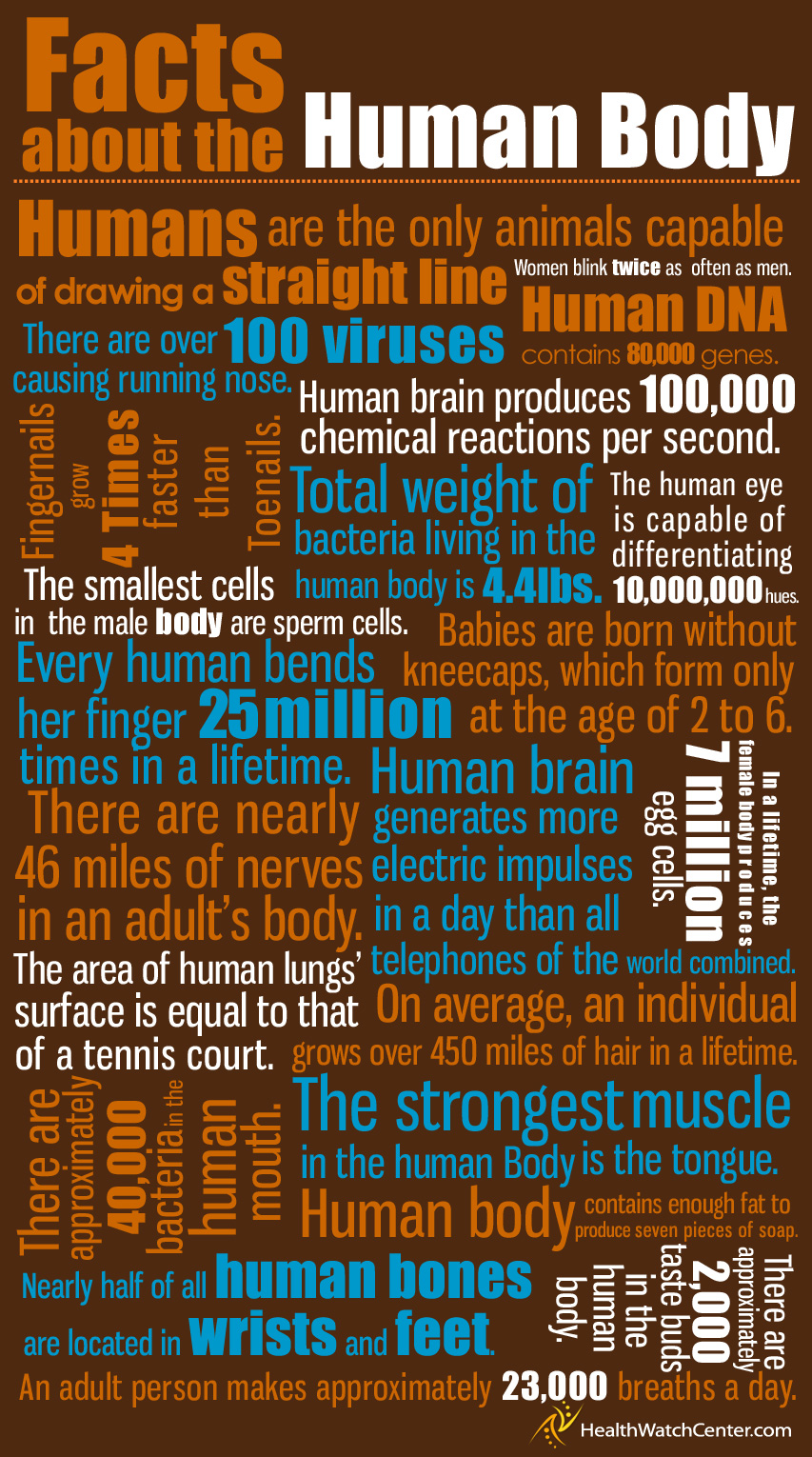
You must have realized by now that smart consumers need to be able to distinguish between fact and opinion in advertisements. To do so you should be able to demonstrate literal, inferential, and evaluative comprehension skills by distinguishing between fact and opinion.
As teachers of the MAGIC Comenius project we will use the facts vs. opinions in ads guide document* to achieve the above and we hope we all enjoy it!
* Source: http://www.educationoasis.com
Friday, January 10, 2014
Critical Media Literacy: Commercial Advertising
Dear MAGICians! As you already have read at the advertising theme description and timetable, you will have the opportunity to start investigating the "Critical Media Literacy: Commercial Advertising" topic between January 14 - 20. The full description of this session is available for you to read.

OVERVIEW
Studying the influence of mass media on our lives allows you to view advertising in a new light. This lesson provides you with the opportunity to look at mass media in a critical way. You become aware of the tremendous amount of advertising that we are exposed to on a daily basis. By looking at advertising critically, you begin to understand how the media oppresses certain groups, convinces people to purchase certain products, and influences culture.
STUDENT OBJECTIVES
Students will:
- Investigate the influence of advertising on their daily lives
- Engage in critical inquiry of mass media
- Identify hidden media messages
- Interpret messages presented through advertising
- Discuss the effect of advertising on culture
Advertising theme description and timetable

Hello dear MAGICians!
It’s about time to move on to our second theme which is advertising. All of us will be working in the following fields: TV, radio, magazine, Internet, junk mail and billboard (or street) advertisements or, to keep it short, ads.
It’s about time to move on to our second theme which is advertising. All of us will be working in the following fields: TV, radio, magazine, Internet, junk mail and billboard (or street) advertisements or, to keep it short, ads.
Learning Objectives
Through the completion of this theme you will be able to:- Understand the intersection of ads and art and their impact on consumerism.
- Develop criteria for determining statements of opinion and practice discerning statements of opinion in advertisements.
- Identify types of ads, analyse them, and respond to them.
- Analyse the persuasive techniques in ads
- Discover the rules of ads and check whether certain type of them bent or not the rules.
- Create your own artistic interpretations of advertisements, present them, and reflect upon the nature of consumerism in your lives.
Weekly topics
Week 1: Critical Media Literacy: Commercial Advertising: January 14 - 20Weeks 2 & 3: Fact vs. opinions in ads: January 21 - February 3
Week 4: Truth in ads - Understanding the media: February 4 - 10
Week 5: Persuasive techniques in ads: February 11 -17
Week 6: Consumerism, ads and art intersection & rules in ads: February 18 - 24
Week 7: Creation of a marketing campaign of students choice: February 25 - March 3
Week 8: In class presentation of campaigns - uploading on blogs: March 4 - March 10
Week 9: Review and conclusions: March 11 - March 16
Collaborative tools
As we walk through the theme material you will find ads you want to share with the rest of the students from other countries and reflect on them. So what do you do with them and how do you share them with the rest of us? Well you can pin them using our pinterest board so everyone can see them! Sign up at Pinterest using your facebook or google account.Also do not forget to regularly check for our facebook group updates and share your comments and ideas!
Subscribe to:
Posts (Atom)